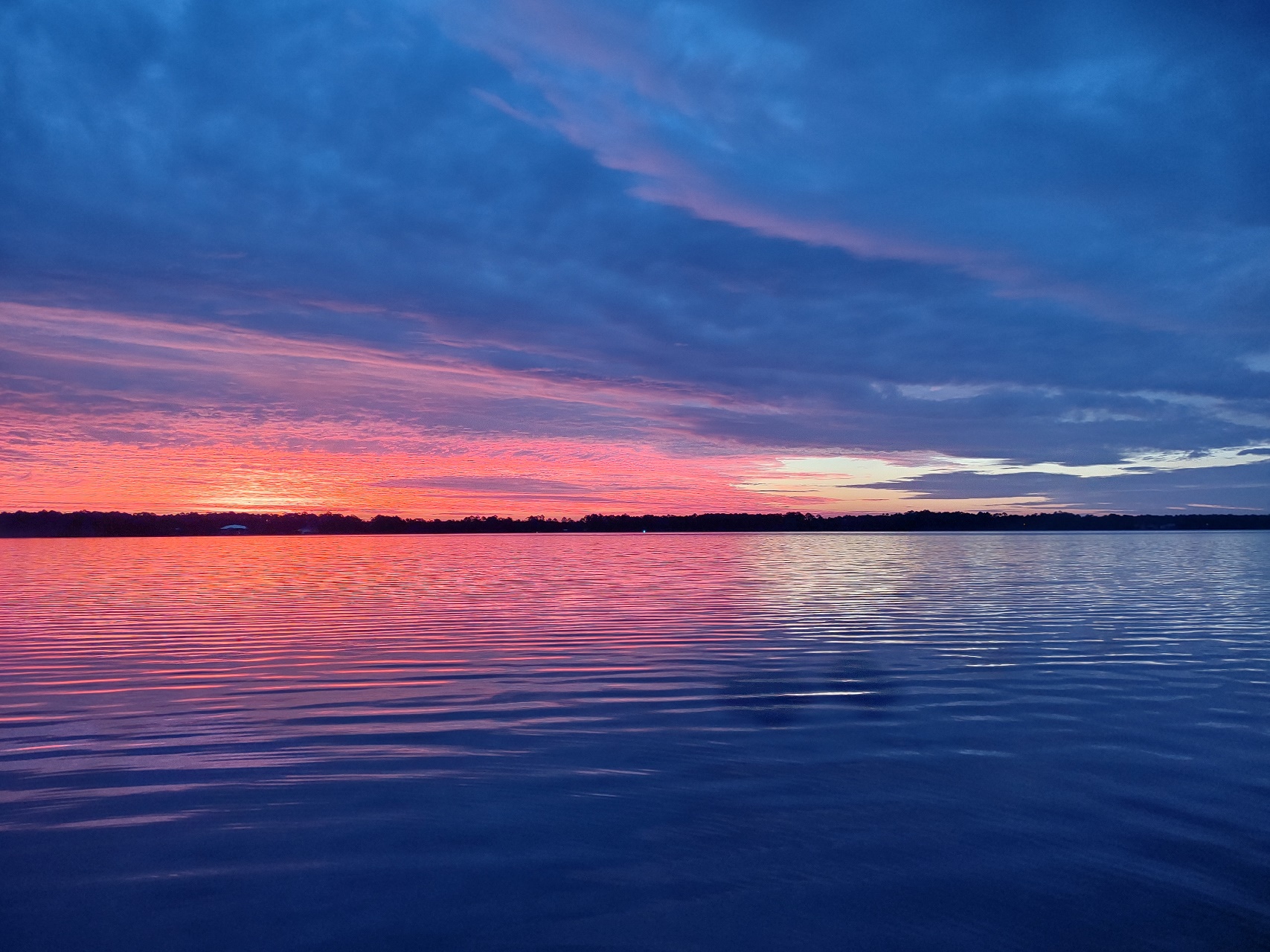
Pensacola Inshore Fishing Charters offer access to a variety of fish. Availability of fish listed below is often seasonal and varies from catching schoolies to oversize fish depending on the time of year. Inshore is a suitable alternative to offshore especially for very young children, anglers who like to cast artificials, people who enjoy being close to shore or are concerned about being out in the bigger waters or people who prefer an inshore experience. We personally fish both inshore and offshore and love both of them.
Gulf Coast Inshore Fishing Guide: Speckled Trout, Sand Trout, Red Drum, Black Drum, Flounder, and Sheepshead
The bays, estuaries, grass flats, and nearshore waters of the Gulf Coast support a diverse range of popular inshore game fish. Among the most sought-after species are the Spotted Seatrout, Sand Seatrout, Red Drum, Black Drum, Southern Flounder, and Sheepshead. These species are staples of Gulf Coast inshore fishing and provide anglers with exciting action and excellent table fare throughout the year. While there are other inshore species like Spanish Mackerel, Ladyfish and Bluefish, these are the best tasting of the bunch. We can target other species inshore but these are what we fish for personally.
Spotted Seatrout
6
Appearance and Identification
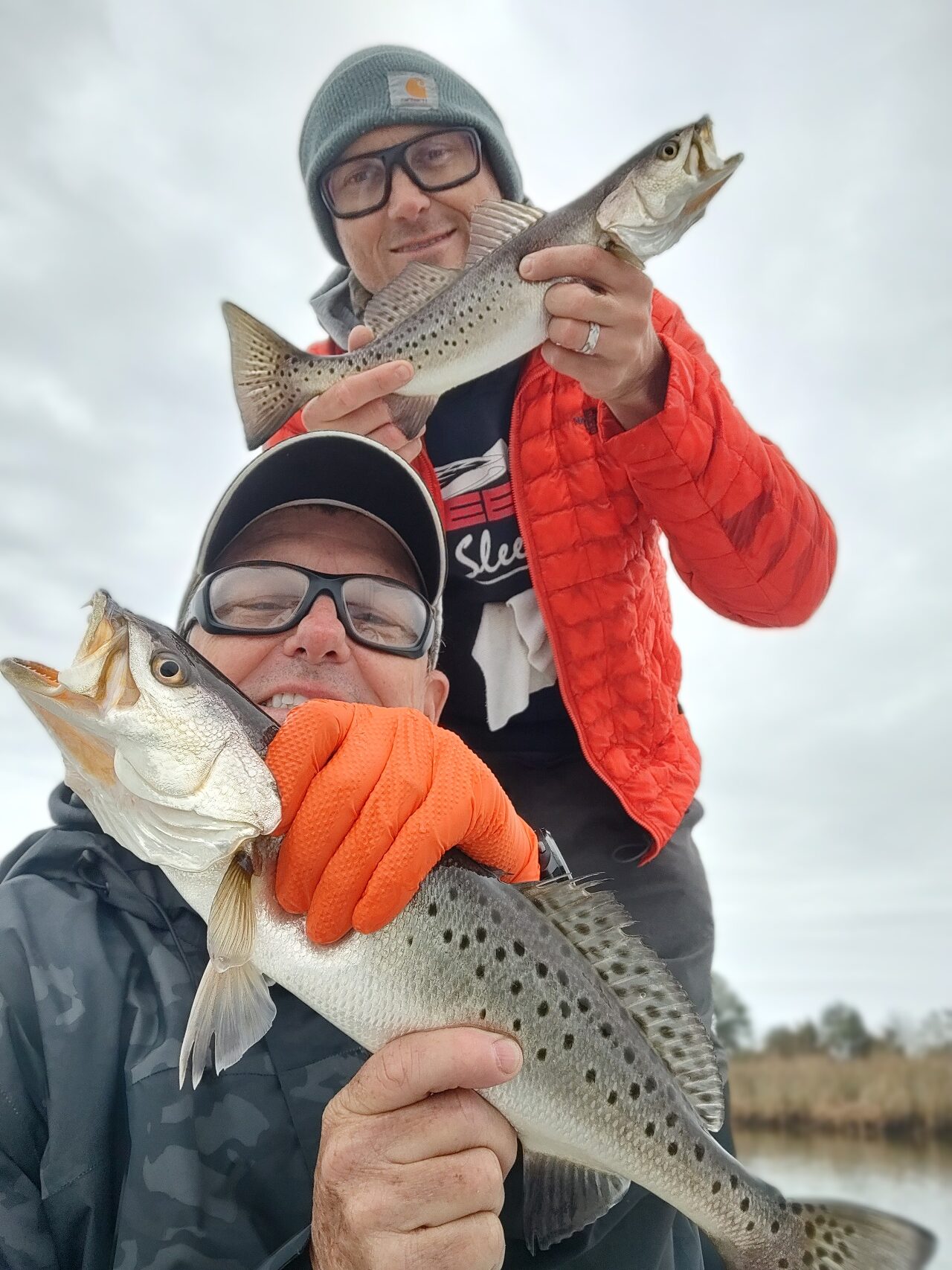
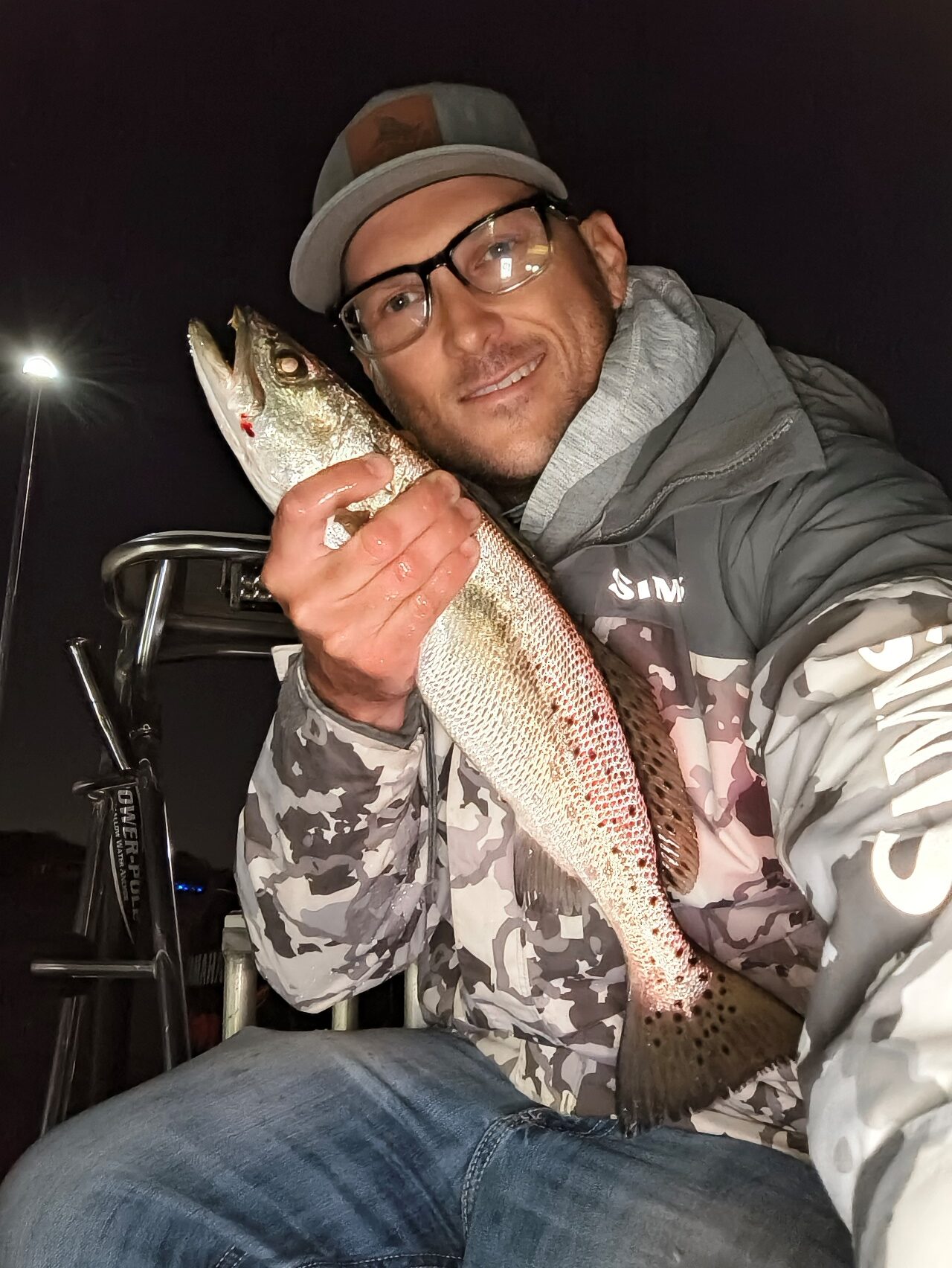
Commonly called “speckled trout” or simply “specks,” spotted seatrout are one of the Gulf Coast’s most recognizable inshore game fish.
Key identifying features include:
- Silver body with dark spots along the back and fins
- Elongated shape
- Large mouth with canine teeth
- Iridescent coloration in clean water
Larger fish are often referred to as “gator trout” by anglers.
Size and Growth Rate
Speckled trout grow relatively quickly in productive estuarine systems.
- Common catch size: 1 to 5 pounds
- Trophy fish: 6 to 10+ pounds
- Maximum length: Around 39 inches
- Lifespan: Up to 10 years
Females grow significantly larger than males and dominate trophy-sized catches.
Habitat and Behavior
Speckled trout commonly inhabit:
- Grass flats
- Oyster bars
- Bay systems
- Tidal creeks
- Nearshore beaches
They are aggressive predators feeding on:
- shrimp
- mullet
- pinfish
- small baitfish
Speckled trout are especially active during low-light conditions and moving tides.
Edibility and Taste
Speckled trout are highly regarded as table fare.
Their meat is:
- Mild and flaky
- Lean and delicate
- Excellent grilled, fried, or blackened
Fresh speckled trout is a Gulf Coast favorite.
Sand Seatrout
6
Appearance and Identification
Sand trout, also called white trout in many Gulf regions, resemble speckled trout but have several noticeable differences.
Key features include:
- Pale silver coloration
- Fewer or no dark spots
- Smaller teeth
- Softer body structure
They generally appear lighter and less vividly marked than speckled trout.
Size and Growth Rate
Sand trout are smaller and shorter-lived than speckled trout.
- Common size: 10 to 18 inches
- Average weight: 1 to 3 pounds
- Lifespan: Approximately 4 to 6 years
They grow quickly and often school in large numbers.
Habitat and Behavior
Sand trout commonly inhabit:
- Channels
- Deeper bay water
- Bridges
- Nearshore structure
- Mud and sandy bottoms
They feed aggressively on:
- shrimp
- small baitfish
- small crustaceans
Large schools can produce fast-paced action for anglers.
Edibility and Taste
Sand trout are good table fare when eaten fresh.
Their meat is:
- Soft and flaky
- Mild in flavor
- Best fried or grilled fresh
Because of their softer texture, they are typically eaten shortly after harvest.
Red Drum
6
Appearance and Identification
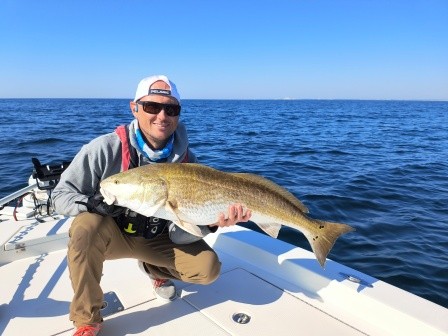
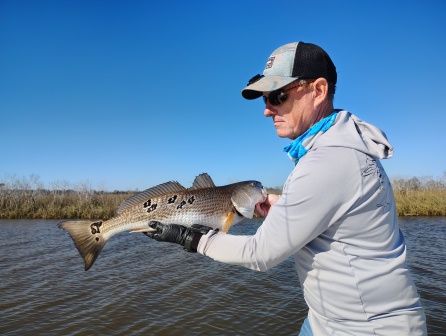
Red drum, commonly called “redfish,” are among the Gulf Coast’s most iconic inshore species.
Key identifying characteristics include:
- Copper-bronze coloration
- Distinct black spot near the tail
- Streamlined, muscular body
- Bluish tail tint in some fish
Some larger fish may display multiple tail spots.
Size and Growth Rate
Redfish grow rapidly and can reach impressive size.
- Slot-size fish: Typically 18 to 27 inches
- Bull reds: 30 to 50+ inches
- Maximum weight: Over 50 pounds
- Lifespan: Up to 40 years
Large spawning fish often gather near passes and beaches.
Habitat and Behavior
Redfish inhabit:
- Marshes
- Oyster bars
- Grass flats
- Docks
- Nearshore beaches
They feed on:
- shrimp
- crabs
- mullet
- pinfish
Redfish are known for powerful runs and tailing behavior in shallow water.
Edibility and Taste
Smaller slot-sized redfish are excellent eating fish.
Their meat is:
- Firm and mild
- Slightly sweet
- Excellent blackened, grilled, or fried
Larger bull reds are often released due to tougher meat texture and spawning importance.
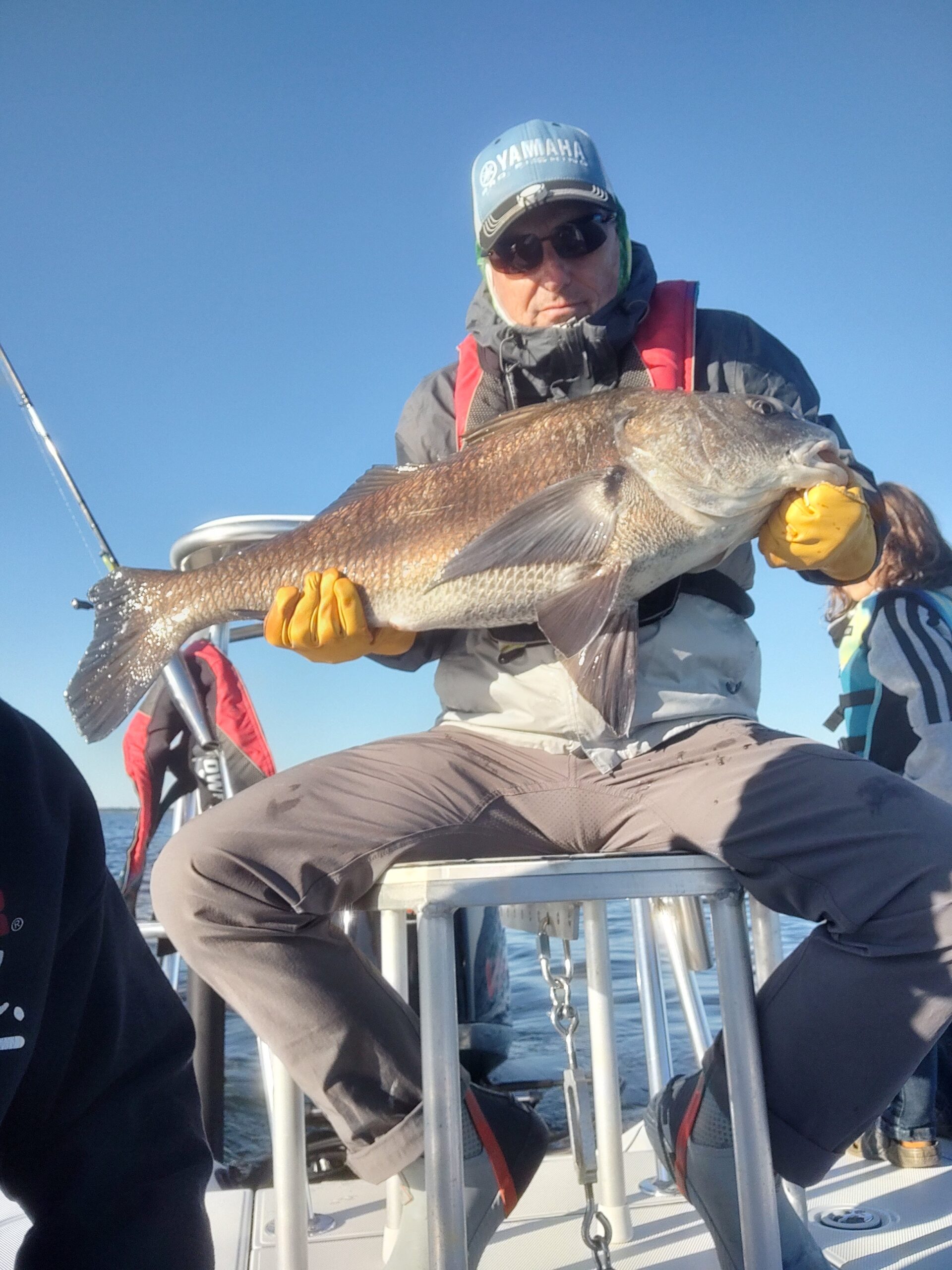
Black Drum – Big Uglies
7
Appearance and Identification
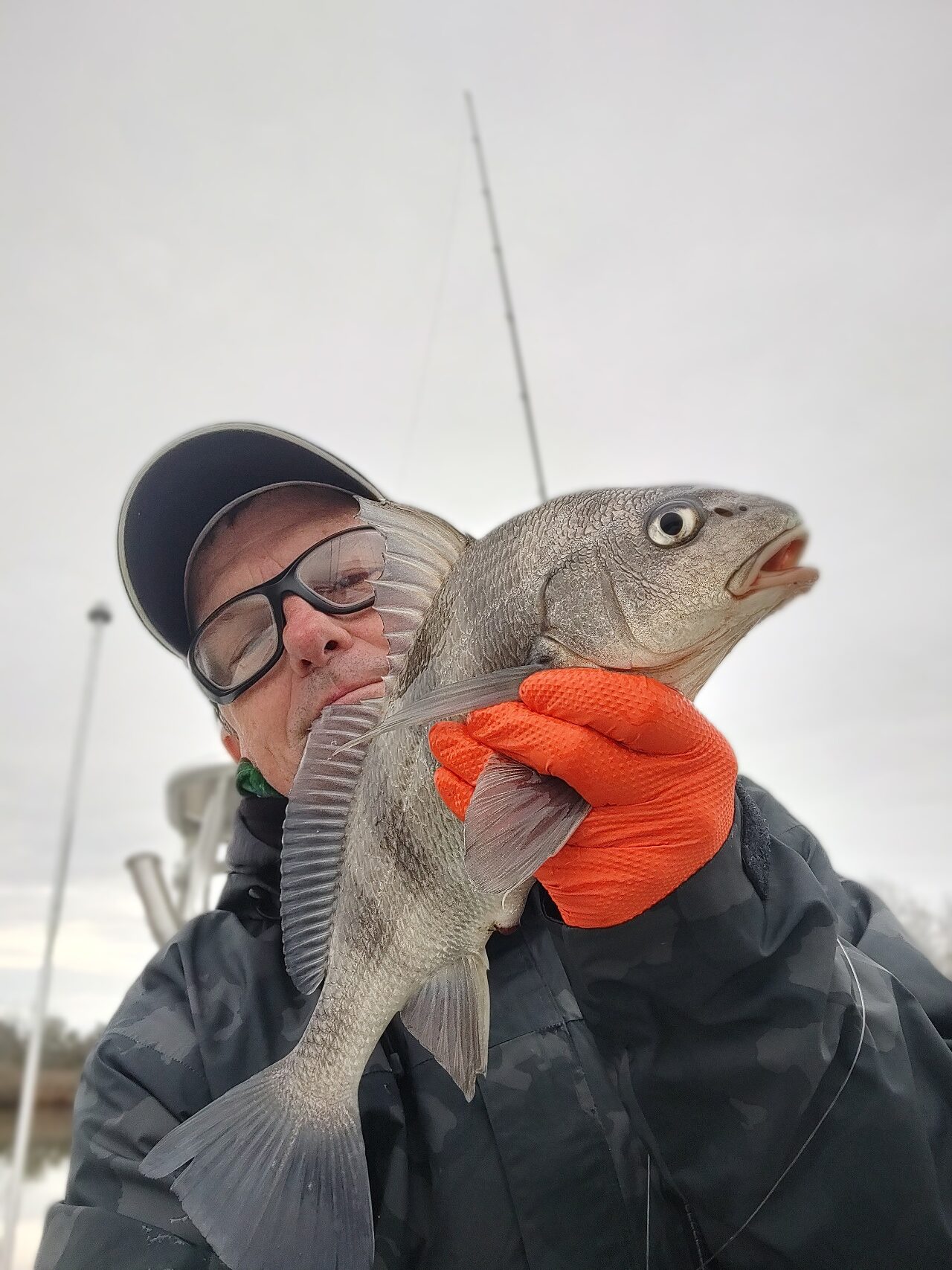
Black drum are heavy-bodied fish closely related to redfish.
Key identifying features include:
- Dark gray to black coloration
- High-backed body
- Chin barbels used for detecting food
- Juvenile vertical black stripes
Large adults can become nearly black in appearance.
Size and Growth Rate
Black drum are among the largest inshore fish in Gulf waters.
- Common size: 5 to 30 pounds
- Trophy fish: 50+ pounds
- Maximum weight: Over 100 pounds
- Lifespan: Up to 60 years
They grow steadily and can live for decades.
Habitat and Behavior
Black drum are commonly found around:
- Bridges
- Oyster beds
- Channels
- Docks
- Deep bay structure
They feed primarily on:
- crabs
- oysters
- shrimp
- mollusks
Their crushing teeth are adapted for shellfish feeding.
Edibility and Taste
Smaller black drum are considered good table fare.
Their meat is:
- Mild and firm
- Slightly coarse in larger fish
- Excellent fried or grilled
Very large drum can develop tougher texture and occasional parasites.
Southern Flounder
6
Appearance and Identification
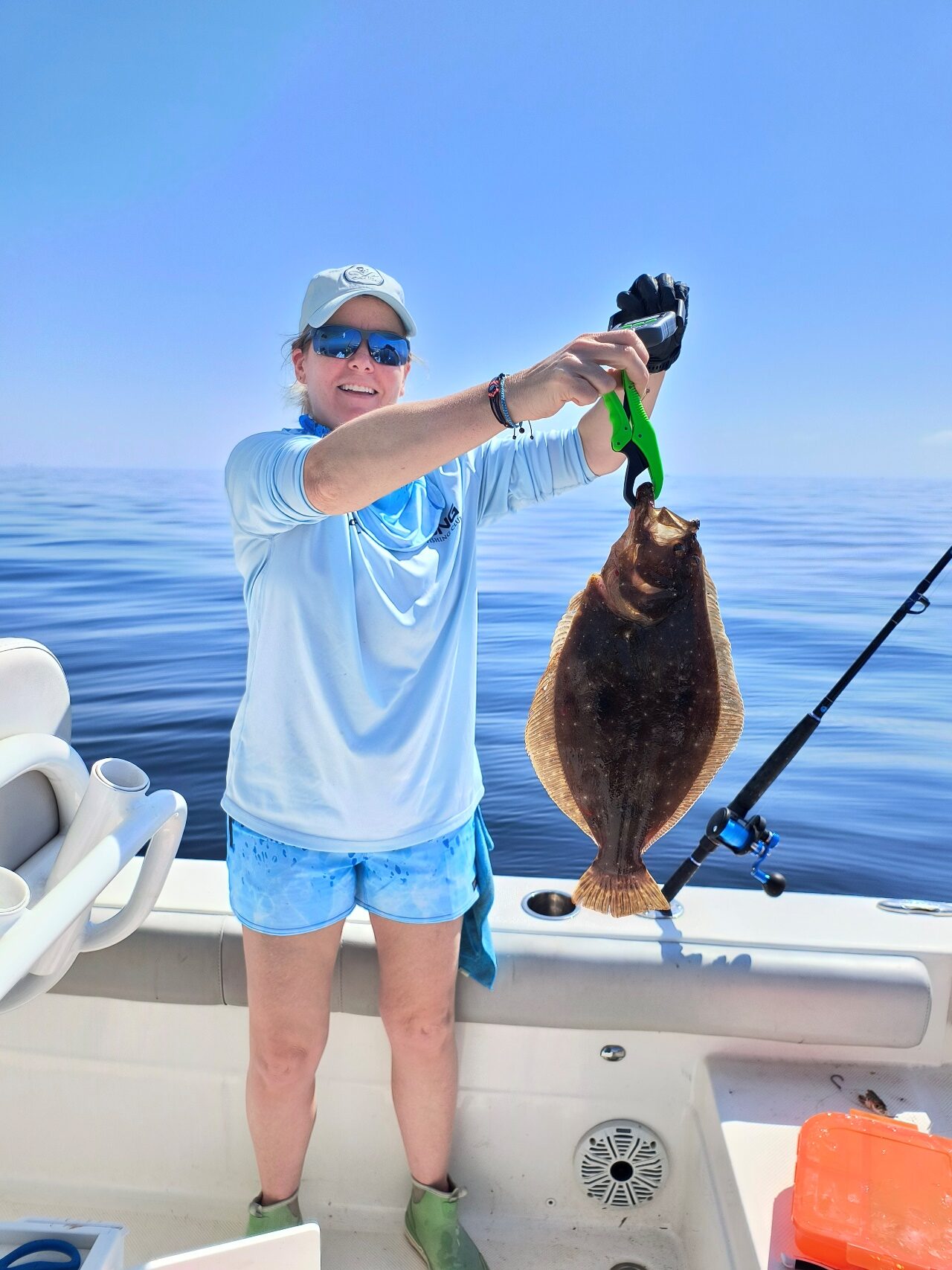
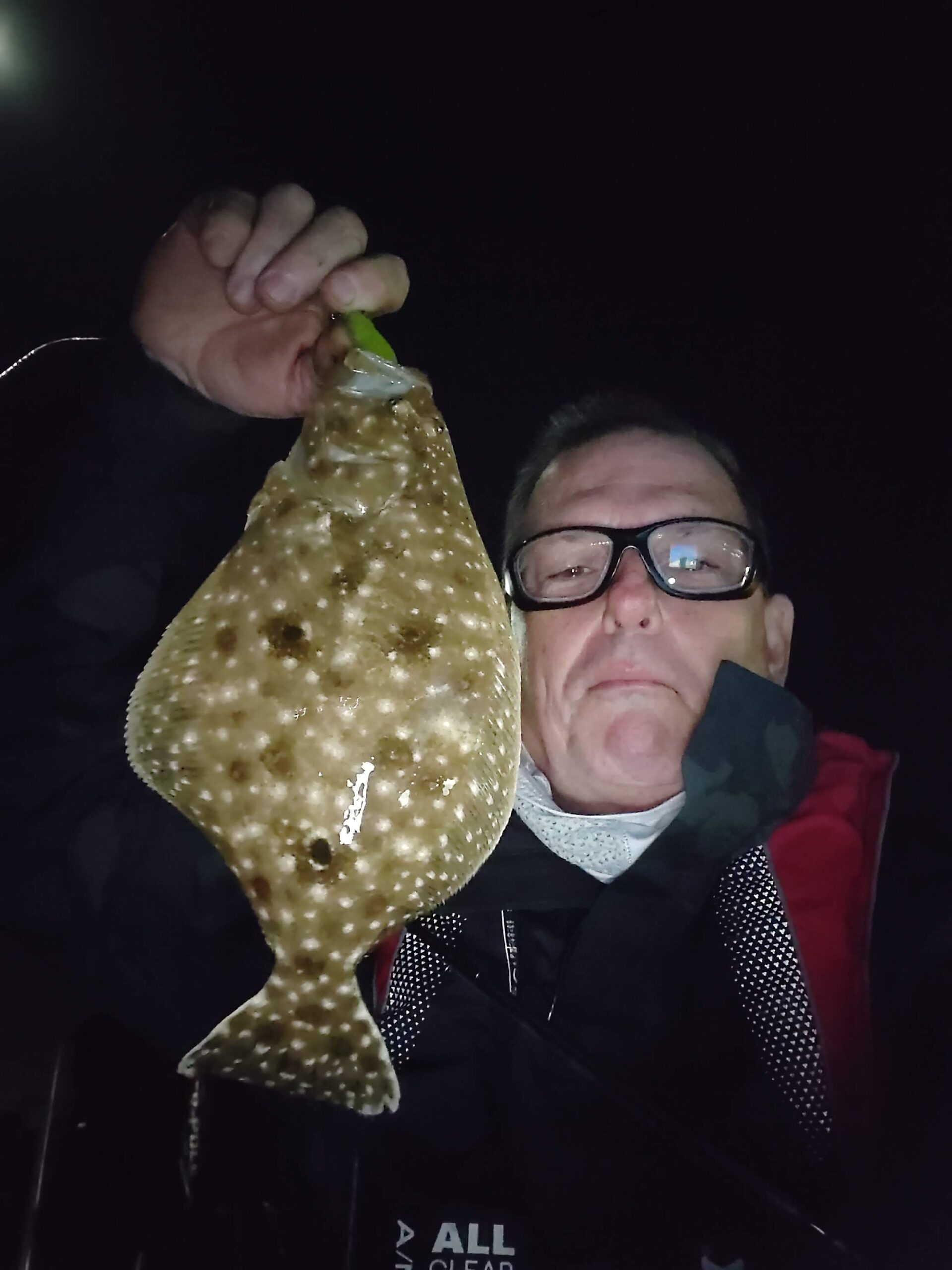
Southern flounder are distinctive flatfish perfectly adapted for camouflage on bottom structure.
Key features include:
- Flat oval body
- Both eyes located on one side
- Brown mottled coloration
- Camouflage ability matching bottom conditions
They are masters of ambush predation.
Size and Growth Rate
Flounder grow steadily in estuarine systems.
- Common size: 1 to 5 pounds
- Trophy fish: 8+ pounds
- Maximum length: Around 30 inches
- Lifespan: Approximately 8 to 10 years
Females typically grow larger than males.
Habitat and Behavior
Flounder inhabit:
- Sandy bottoms
- Channel edges
- Dock pilings
- Passes
- Creek mouths
They bury themselves in bottom sediment while ambushing prey such as:
- shrimp
- mullet
- mud minnows
Edibility and Taste
Flounder are among the finest eating fish on the Gulf Coast.
Their meat is:
- White and delicate
- Mild and flaky
- Excellent fried, stuffed, or baked
Flounder fillets are especially prized for their tender texture.
Sheepshead
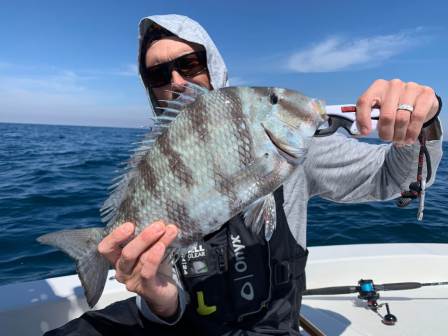
5
Appearance and Identification
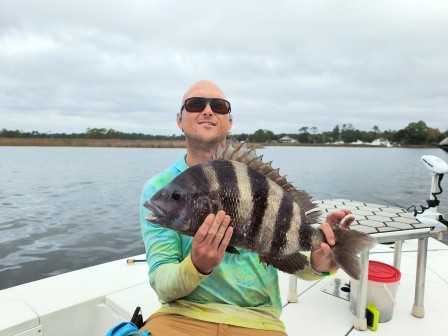
Sheepshead are highly recognizable due to their human-like teeth and bold vertical stripes.
Key identifying features include:
- Black vertical bars across silver body
- Strong front teeth
- Deep-bodied shape
- Spiny dorsal fin
Their crushing teeth are adapted for feeding on shellfish and barnacles.
Size and Growth Rate
Sheepshead grow moderately and can reach impressive size.
- Common catch size: 2 to 8 pounds
- Trophy fish: 10+ pounds
- Maximum weight: Around 20 pounds
- Lifespan: Up to 20 years
Larger fish are often caught around heavy structure.
Habitat and Behavior
Sheepshead commonly inhabit:
- Bridge pilings
- Jetties
- Docks
- Oyster bars
- Rock piles
They feed heavily on:
- barnacles
- fiddler crabs
- shrimp
- oysters
Known for subtle bites, sheepshead can be challenging to hook consistently.
Edibility and Taste
Sheepshead are widely considered outstanding table fare.
Their meat is:
- Firm and white
- Sweet and mild
- Excellent grilled or fried
Many anglers rank sheepshead among the best-tasting inshore fish species.
Comparing Popular Gulf Inshore Fish Species
| Species | Typical Size | Habitat | Fighting Ability | Flavor |
|---|---|---|---|---|
| Speckled Trout | 1–5 lbs | Grass flats & bays | Moderate | Mild & flaky |
| Sand Trout | 1–3 lbs | Channels & deep bays | Light | Soft & mild |
| Red Drum | 5–30+ lbs | Marshes & flats | Powerful | Firm & sweet |
| Black Drum | 5–50+ lbs | Bridges & oyster beds | Strong | Mild & firm |
| Flounder | 1–5 lbs | Sandy bottom & passes | Moderate | Delicate & flaky |
| Sheepshead | 2–8 lbs | Pilings & jetties | Moderate | Sweet & firm |
Whether fishing the bays and grass flats near Pensacola or targeting docks and oyster beds throughout the Gulf Coast, these inshore fish species provide anglers with exciting fishing opportunities and exceptional table fare. Understanding their appearance, habitat, and feeding behavior can help fishermen identify and successfully target these popular Gulf Coast species.
Book Your Fishing Adventure Today
Explore the stunning waters of the Emerald Coast with our experienced guides and top-notch equipment. Elevate your fishing experience with Double D Fishing Charters of NW Florida! Book your Pensacola Fishing Charter today using this web page or call us direct at 850-525-FISH.