Pensacola Greater Amberjack, Almaco Jack, Lesser Amber Jack and Banded Rudderfish. The reef donkeys and their little cousins are a prime feature of our area.
Gulf Coast Jack Species Guide: Identifying Amberjack, Almaco Jack, and Banded Rudderfish
The Pensacola Gulf is home to several powerful jack species prized by offshore anglers for their strength, aggressive feeding habits, and hard-fighting nature. Among the most commonly encountered are the Greater Amberjack, Lesser Amberjack, Almaco Jack, and Banded Rudderfish. While these fish are closely related and sometimes confused with one another, each species has distinct characteristics, habitat preferences, and culinary qualities.
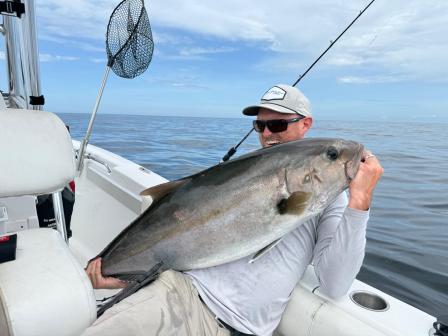
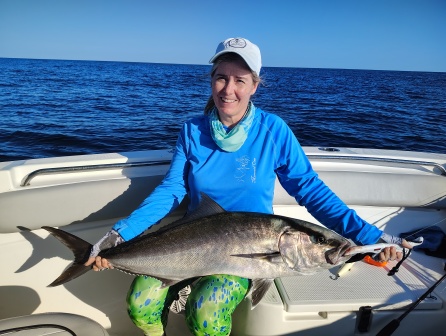
Greater Amberjack
6
Appearance and Identification
Greater amberjack are the largest and most recognizable member of the jack family commonly found in Gulf waters.
Key identifying features include:
- Olive-green to bluish-gray back
- Silver sides and belly
- Dark amber stripe running from the nose through the eye
- Long, streamlined body built for speed and power
Juveniles sometimes display faint vertical bars that fade as they mature.
Size and Growth Rate
Greater amberjack are known for rapid growth and impressive size.
- Common catch size: 20 to 50 pounds
- Trophy fish: 70 to 100+ pounds
- Maximum length: Over 6 feet
- Lifespan: Up to 17 years
Young amberjack grow quickly during their first several years and can reach substantial size in offshore environments rich in baitfish.
Habitat and Behavior
Greater amberjack are structure-oriented predators commonly found around:
- Offshore wrecks
- Oil rigs
- Artificial reefs
- Deep natural ledges
They typically inhabit waters from 60 to over 300 feet deep and often suspend above structure while aggressively feeding on baitfish, squid, and smaller reef fish.
Known for their incredible stamina, greater amberjack are often called “reef donkeys” by Gulf anglers because of their brutal fighting power.
Edibility and Taste
Greater amberjack produce firm, rich fillets with a stronger flavor than many reef fish species.
Their meat is:
- Dense and meaty
- Excellent grilled or blackened
- Popular for smoking and fish dips
Smaller amberjack generally offer better table quality than very large fish, which can become coarse in texture.
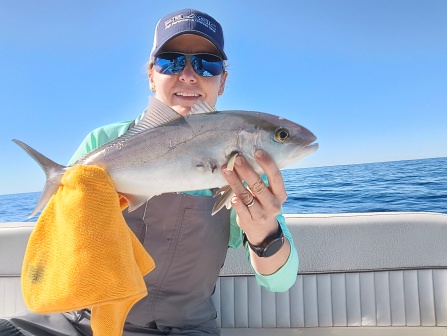
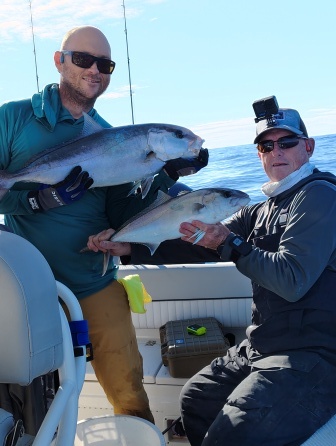
Lesser Amberjack
7
Appearance and Identification
Lesser amberjack closely resemble juvenile greater amberjack but have several subtle differences.
Distinguishing features include:
- Slimmer body shape
- Dark diagonal stripe through the eye
- More elongated appearance
- Darker fins compared to greater amberjack
Because of their similar appearance, they are often misidentified by inexperienced anglers.
Size and Growth Rate
Lesser amberjack are considerably smaller than greater amberjack.
- Typical size: 5 to 15 pounds
- Maximum weight: Around 20 pounds
- Lifespan: Approximately 10 to 12 years
They grow steadily but do not achieve the massive size associated with greater amberjack.
Habitat and Behavior
Lesser amberjack are usually found around:
- Offshore reefs
- Wrecks
- Deep structure
- Artificial reefs
They often school in smaller groups and feed aggressively on baitfish and crustaceans.
Edibility and Taste
Lesser amberjack are considered good table fare when properly handled.
Their meat is:
- Firm and mild
- Leaner than greater amberjack
- Suitable for grilling or frying
Many anglers prefer smaller specimens due to their cleaner flavor and finer texture.
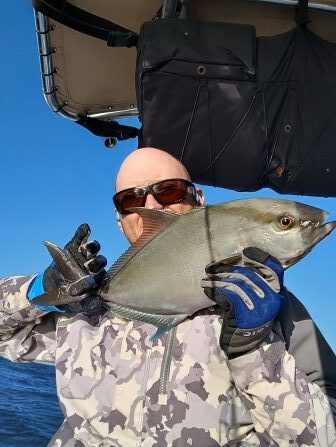
Almaco Jack
6
Appearance and Identification
Almaco jack are deep-bodied fish with a more robust appearance than lesser amberjack.
Key features include:
- Dark brown or bluish-gray coloration
- High forehead profile
- Long dorsal fin
- Deep, compressed body shape
Their body is generally taller and more compact compared to other amberjack species.
Size and Growth Rate
Almaco jack can grow to respectable size and are powerful fighters.
- Common catch size: 10 to 30 pounds
- Maximum weight: Over 50 pounds
- Lifespan: Approximately 15 years
Growth rates are moderate to fast in productive offshore habitats.
Habitat and Behavior
Almaco jack are frequently found:
- Around deep reefs
- Near offshore wrecks
- Along steep ledges
- Around floating structure
They often inhabit deeper water than greater amberjack and can be highly aggressive feeders.
Edibility and Taste
Many anglers consider almaco jack superior table fare compared to greater amberjack.
Their meat is:
- Mild and clean-tasting
- Firm but less oily
- Excellent for grilling, broiling, or sashimi
Smaller almaco jack are particularly prized for eating quality.
Banded Rudderfish
6
Appearance and Identification
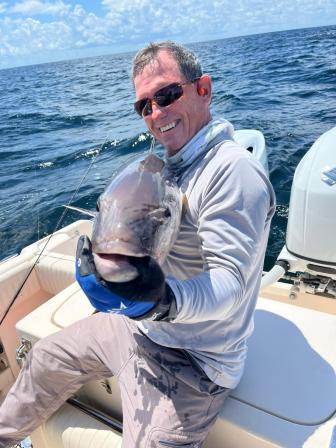
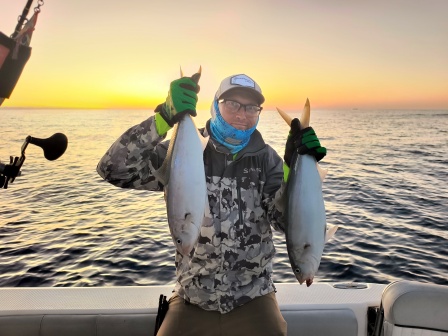
Banded rudderfish are smaller relatives of amberjack and are easily recognized when young.
Key identifying features include:
- Dark vertical bands on juveniles
- Silvery-gray body
- Streamlined shape
- Similar appearance to juvenile amberjack
As they mature, the distinctive vertical bands gradually fade.
Size and Growth Rate
Banded rudderfish are the smallest species in this group.
- Common size: 1 to 10 pounds
- Maximum length: Approximately 30 inches
- Lifespan: Around 8 to 10 years
They mature relatively quickly and are commonly encountered by nearshore and offshore anglers.
Habitat and Behavior
Banded rudderfish are often found:
- Around floating debris
- Beneath weed lines
- Near buoys and markers
- Around offshore structure
Juveniles are frequently seen associating with jellyfish, floating objects, and weed patches for protection.
Edibility and Taste
Banded rudderfish are edible and can be surprisingly good table fare.
Their meat is:
- Mild and flaky
- Similar to smaller amberjack species
- Best when fresh and properly iced
While not as commonly targeted for food as amberjack or almaco jack, they can provide excellent eating when prepared fresh.
Comparing These Gulf Jack Species
| Species | Typical Size | Habitat | Fighting Ability | Flavor |
|---|---|---|---|---|
| Greater Amberjack | 20–50+ lbs | Deep offshore structure | Extremely powerful | Rich & meaty |
| Lesser Amberjack | 5–15 lbs | Offshore reefs | Strong | Mild & firm |
| Almaco Jack | 10–30 lbs | Deep reefs & wrecks | Aggressive | Mild & clean |
| Banded Rudderfish | 1–10 lbs | Floating debris & reefs | Moderate | Mild & flaky |
Whether targeting deep offshore wrecks near Pensacola or fishing artificial reefs throughout the Gulf Coast, these jack species offer anglers exciting battles and quality table fare. Understanding the differences in appearance, habitat, and behavior can help fishermen correctly identify and target these hard-fighting offshore species.
Book Your Fishing Adventure Today
Explore the stunning waters of the Emerald Coast with our experienced guides and top-notch equipment. Elevate your fishing experience with Double D Fishing Charters of NW Florida! Book your Pensacola Fishing Charter today using this web page or call us direct at 850-525-FISH.