Pensacola Triggerfish, Tilefish and Porgy. A blast to catch to catch. Great to eat!
Gulf Reef Fish Guide: Gray Triggerfish, Porgies, Blueline Tilefish, and Sand Tilefish
The Pensacola Gulf offers anglers a wide variety of reef and bottom-dwelling fish species beyond snapper and grouper. Among the most popular and underrated are the Gray Triggerfish, various Porgy species, Blueline Tilefish, and Sand Tilefish. These species provide exciting fishing opportunities, unique appearances, and excellent table fare for Gulf Coast anglers targeting offshore structure and hard-bottom habitats.
Gray Triggerfish
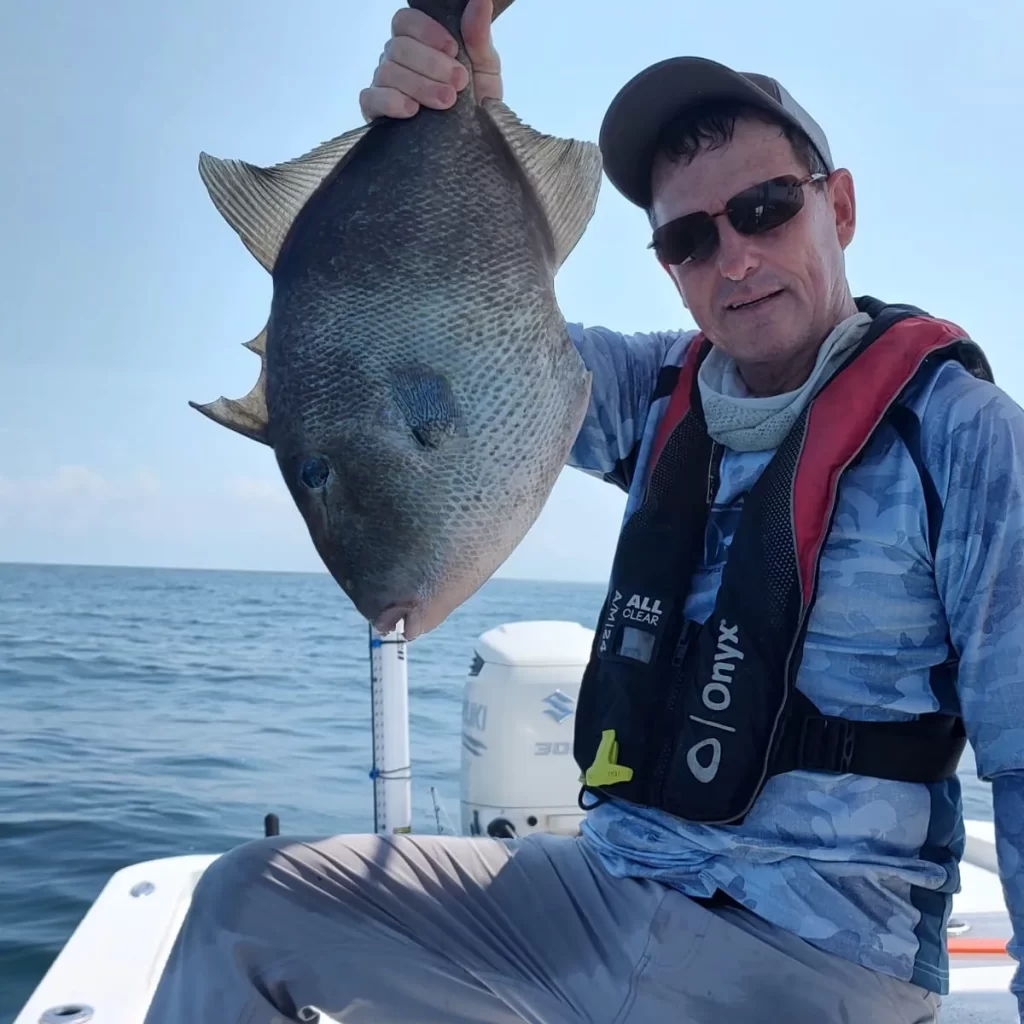
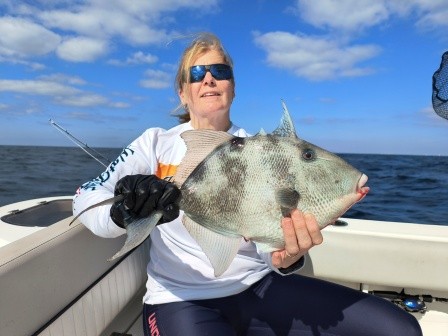
Appearance and Identification
Gray triggerfish are easily recognized by their unusual body shape and rough skin texture.
Key identifying features include:
- Deep, flattened body
- Gray to olive coloration
- Small mouth with strong teeth
- Distinctive dorsal trigger spine that locks upright
Their tough skin and powerful jaws make them well adapted for feeding on hard-shelled prey.
Size and Growth Rate
Gray triggerfish are moderate-sized reef fish commonly encountered in Gulf waters.
- Common catch size: 2 to 6 pounds
- Maximum weight: Around 13 pounds
- Maximum length: Approximately 30 inches
- Lifespan: Up to 15 years
They grow steadily and can form large populations around offshore structure.
Habitat and Behavior
Gray triggerfish commonly inhabit:
- Artificial reefs
- Wrecks
- Rocky bottom
- Offshore ledges
They are usually found in depths ranging from 30 to 300 feet and often hover above structure while feeding.
Triggerfish primarily eat:
- crabs
- shrimp
- sea urchins
- mollusks
They are known for stealing bait and can be surprisingly aggressive around reefs.
Edibility and Taste
Gray triggerfish are considered excellent table fare by many Gulf anglers.
Their meat is:
- Firm and white
- Mild and slightly sweet
- Excellent grilled, fried, or baked
Triggerfish fillets are dense and hold together well during cooking.
Porgy


Appearance and Identification
Several porgy species inhabit Gulf waters, including jolthead porgy, whitebone porgy, and scup-like species.
Common characteristics include:
- Silver or gray coloration
- Deep oval-shaped body
- Strong teeth for crushing shellfish
- Forked tail
Larger porgy species often develop bluish or golden markings around the head.
Size and Growth Rate
Porgy size varies significantly by species.
- Common size: 1 to 10 pounds
- Larger jolthead porgies: 15+ pounds possible
- Lifespan: Up to 20 years depending on species
Most porgies grow steadily and are abundant around productive reef systems.
Habitat and Behavior
Porgies are commonly found around:
- Rocky bottom
- Artificial reefs
- Ledges
- Nearshore and offshore structure
They feed heavily on:
- crustaceans
- shellfish
- worms
- small invertebrates
Porgies often school near bottom structure and are highly active feeders.
Edibility and Taste
Porgies are widely underrated as table fare.
Their meat is:
- Mild and flaky
- Slightly sweet
- Excellent whole, grilled, or fried
Larger porgies produce thick fillets comparable to snapper in quality.
Blueline Tilefish


Appearance and Identification
Blueline tilefish are colorful deep-water fish known for their bright markings and elongated bodies.
Key identifying features include:
- Blue and yellow facial markings
- Pale bluish body coloration
- Long, slender shape
- Yellowish fins and tail
Their vibrant coloration becomes especially visible immediately after capture.
Size and Growth Rate
Blueline tilefish are moderate-sized deepwater fish.
- Common catch size: 3 to 10 pounds
- Maximum weight: Around 20 pounds
- Lifespan: Approximately 15 years
They grow steadily in deep offshore environments.
Habitat and Behavior
Blueline tilefish inhabit:
- Deep mud bottom
- Offshore ledges
- Canyon edges
- Burrowed bottom habitats
Typically found in depths between 250 and 600 feet, they construct burrows in soft bottom near hard structure.
These fish feed on:
- squid
- crustaceans
- small fish
Deep dropping techniques are commonly used to target them.
Edibility and Taste
Blueline tilefish are highly prized for their excellent meat quality.
Their fillets are:
- White and delicate
- Mild with buttery texture
- Excellent baked, broiled, or grilled
Many anglers consider tilefish among the finest eating fish in offshore Gulf waters.
Sand Tilefish


Appearance and Identification
Sand tilefish differ noticeably from blueline tilefish in both coloration and behavior.
Key features include:
- Pale yellow to bluish coloration
- Long body with pointed head
- Distinct dark markings near dorsal fin
- Large eyes adapted for reef environments
They are often seen hovering near sandy reef areas.
Size and Growth Rate
Sand tilefish are generally smaller than blueline tilefish.
- Common size: 1 to 5 pounds
- Maximum length: Around 20 inches
- Lifespan: Approximately 8 to 12 years
They mature relatively quickly in warm Gulf waters.
Habitat and Behavior
Sand tilefish commonly inhabit:
- Sandy areas near reefs
- Hard-bottom edges
- Burrow systems
- Offshore structure
Unlike blueline tilefish, they are more commonly associated with shallower reef habitats.
They feed on:
- crustaceans
- worms
- small fish
- benthic invertebrates
Edibility and Taste
Sand tilefish are edible and considered very good table fare.
Their meat is:
- Mild and flaky
- Lightly sweet
- Best fresh and lightly seasoned
Though less commercially targeted than blueline tilefish, they are appreciated by anglers who catch them regularly.
Comparing These Gulf Reef Fish Species
| Species | Typical Size | Habitat | Difficulty to Catch | Flavor |
|---|---|---|---|---|
| Gray Triggerfish | 2–6 lbs | Offshore reefs | Moderate | Firm & mild |
| Porgy | 1–10 lbs | Rocky reefs & ledges | Easy to moderate | Sweet & flaky |
| Blueline Tilefish | 3–10 lbs | Deep offshore mud bottom | Moderate | Buttery & delicate |
| Sand Tilefish | 1–5 lbs | Sandy reef edges | Moderate | Mild & flaky |
Whether fishing reefs near Pensacola or deep dropping offshore structure throughout the Gulf Coast, these reef fish species provide anglers with excellent fishing opportunities and outstanding table fare. Understanding their appearance, habitat, and feeding behavior can help fishermen successfully identify and target these unique Gulf species.
Book Your Fishing Adventure Today
Explore the stunning waters of the Emerald Coast with our experienced guides and top-notch equipment. Elevate your fishing experience with Double D Fishing Charters of NW Florida! Book your Pensacola Fishing Charter today using this web page or call us direct at 850-525-FISH.