Pensacola Gulf Coast Snapper from Federal Waters – What Everybody Wants!
Pensacola Snapper Guide: Identifying, Catching, and Eating Popular Snapper Species
In Pensacola, we have easy access to the Gulf which is home to several highly prized snapper species that anglers pursue year-round. Among the most popular are the Vermilion Snapper, Red Snapper, Lane Snapper, and Mangrove Snapper. Each species has unique characteristics, growth patterns, habitat preferences, and culinary qualities that make them valuable to both recreational anglers and seafood enthusiasts. Follow along and we’ll share some of info on the fishes that draw people to fish here in Pensacola.
Vermilion Snapper
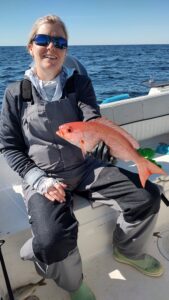

Appearance and Identification
Commonly called “beeliners,” vermilion snapper are easily recognized by their slender body, reddish-pink coloration, and long forked tail. They typically have faint diagonal yellow lines along their sides and relatively large eyes compared to other snapper species.
Unlike red snapper, vermilion snapper have a smaller mouth and a more streamlined body shape.
Size and Growth Rate
Vermilion snapper are generally smaller than red snapper. Most keeper-sized fish range from 12 to 18 inches in length and weigh between 1 and 4 pounds.
- Maximum recorded size: Approximately 24 inches
- Maximum weight: Around 7 pounds
- Growth rate: Moderate
- Lifespan: Up to 15 years
These fish mature relatively quickly, which helps maintain healthy populations in the Gulf.
Habitat and Behavior
Vermilion snapper are schooling fish commonly found around:
- Artificial reefs
- Natural ledges
- Wrecks
- Offshore structure
They are often located in deeper water ranging from 60 to 350 feet and tend to suspend above reefs rather than staying tight to the bottom.
Edibility and Taste
Vermilion snapper are highly regarded for their mild, sweet flavor and delicate white meat. Many Gulf Coast anglers consider them among the best-tasting snapper species.
Their fillets are:
- Lean and flaky
- Mild with minimal fishy taste
- Excellent grilled, fried, or baked
Because of their smaller size, they are often cooked whole or served as smaller fillets.
Red Snapper
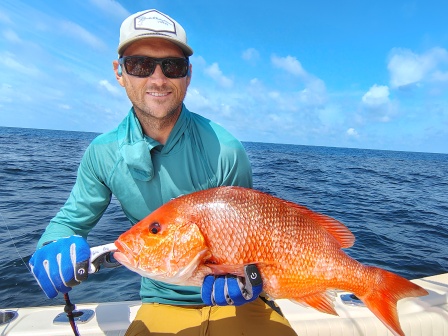
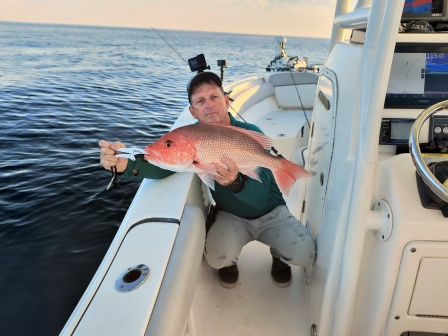
Appearance and Identification
Red snapper are one of the most iconic reef fish in the Gulf of Mexico. They feature:
- Bright red coloration
- Deep, robust body shape
- Large mouth with sharp canine teeth
- Red eyes and pointed anal fin
Juvenile red snapper may display darker markings that fade with age.
Size and Growth Rate
Red snapper grow significantly larger and live much longer than vermilion snapper.
- Common catch size: 5 to 20 pounds
- Trophy fish: 30+ pounds
- Maximum length: Over 40 inches
- Lifespan: More than 50 years
Red snapper grow rapidly during their first several years but slow as they age. Older fish tend to inhabit deeper offshore structure.
Habitat and Behavior
Red snapper inhabit:
- Offshore reefs
- Oil rigs
- Wrecks
- Rock piles
- Artificial reefs
They are highly structure-oriented and typically stay close to the bottom. Juveniles often gather in shallower water before moving deeper offshore with age.
Edibility and Taste
Red snapper are prized table fare throughout the Gulf Coast.
Their meat is:
- Firm and moist
- Mildly sweet
- Slightly richer than vermilion snapper
Red snapper fillets hold together exceptionally well for grilling and blackening, making them a favorite in restaurants and seafood markets.
Lane Snapper


Appearance and Identification
Lane snapper are among the most colorful snapper species in Gulf waters. Distinguishing features include:
- Pinkish-red body
- Bright yellow horizontal stripes
- Distinct black spot below the dorsal fin
- Yellow-tinted fins
Their vivid coloration makes them relatively easy to identify.
Size and Growth Rate
Lane snapper are smaller than red snapper but can still provide exciting action for anglers.
- Common size: 10 to 16 inches
- Average weight: 1 to 3 pounds
- Maximum size: Around 18 inches
- Lifespan: Approximately 10 to 12 years
They grow fairly quickly and reach maturity at a young age.
Habitat and Behavior
Lane snapper are commonly found around:
- Nearshore reefs
- Rocky bottoms
- Artificial reefs
- Grass flats near structure
They typically inhabit shallower water than red snapper and are frequently caught in depths between 20 and 120 feet.
Edibility and Taste
Lane snapper are excellent eating fish with:
- Mild white meat
- Slightly sweet flavor
- Tender texture
Many anglers compare their flavor favorably to yellowtail snapper. They are especially popular fried whole or prepared as fish tacos.
Mangrove Snapper
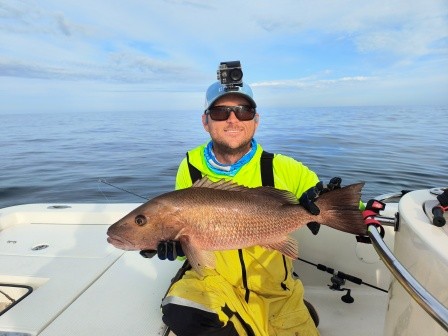

Appearance and Identification
Mangrove snapper, also known as gray snapper, have a more subdued appearance than other snapper species.
Key features include:
- Gray to bronze coloration
- Dark horizontal stripes or mottling
- Larger canine teeth
- More elongated body shape
Their color can vary depending on habitat and water conditions.
Size and Growth Rate
Mangrove snapper can vary dramatically in size depending on location and age.
- Typical inshore catches: 1 to 5 pounds
- Offshore fish: 10+ pounds possible
- Maximum length: Approximately 35 inches
- Lifespan: Up to 20 years
Mangrove snapper grow steadily and become increasingly structure-oriented with age.
Habitat and Behavior
These fish are highly adaptable and can be found:
- Around mangroves and docks
- In bridges and pilings
- On reefs and wrecks
- Near artificial structure offshore
Mangrove snapper are notorious for being cautious and intelligent feeders, making them one of the more challenging snapper species to catch consistently.
Edibility and Taste
Mangrove snapper are widely considered one of the best-eating fish in Gulf waters.
Their meat is:
- Firm and clean-tasting
- Slightly sweet
- Excellent grilled or fried
Larger mangrove snapper produce thick fillets that rival many premium restaurant fish species.
Comparing the Four Species
| Species | Typical Size | Habitat | Difficulty to Catch | Flavor |
|---|---|---|---|---|
| Vermilion Snapper | 1–4 lbs | Deep reefs | Moderate | Mild & delicate |
| Red Snapper | 5–20+ lbs | Offshore structure | Moderate | Rich & firm |
| Lane Snapper | 1–3 lbs | Nearshore reefs | Easy | Sweet & tender |
| Mangrove Snapper | 1–10+ lbs | Structure & mangroves | Difficult | Firm & flavorful |
Whether fishing offshore reefs near Pensacola or targeting structure throughout the Gulf Coast, these snapper species provide anglers with outstanding sport and exceptional table fare. Understanding their differences in appearance, habitat, growth, and behavior can help anglers identify and target each species more effectively.
Book Your Fishing Adventure Today
Explore the stunning waters of the Emerald Coast with our experienced guides and top-notch equipment. Elevate your fishing experience with Double D Fishing Charters of NW Florida! Book your Pensacola Fishing Charter today using this web page or call us direct at 850-525-FISH.